
A tech pack is simply the written specification a factory produces against. It does not need to be beautiful. It needs to be unambiguous, because anything you leave out becomes a decision somebody else makes on your behalf, usually at the point of cutting.
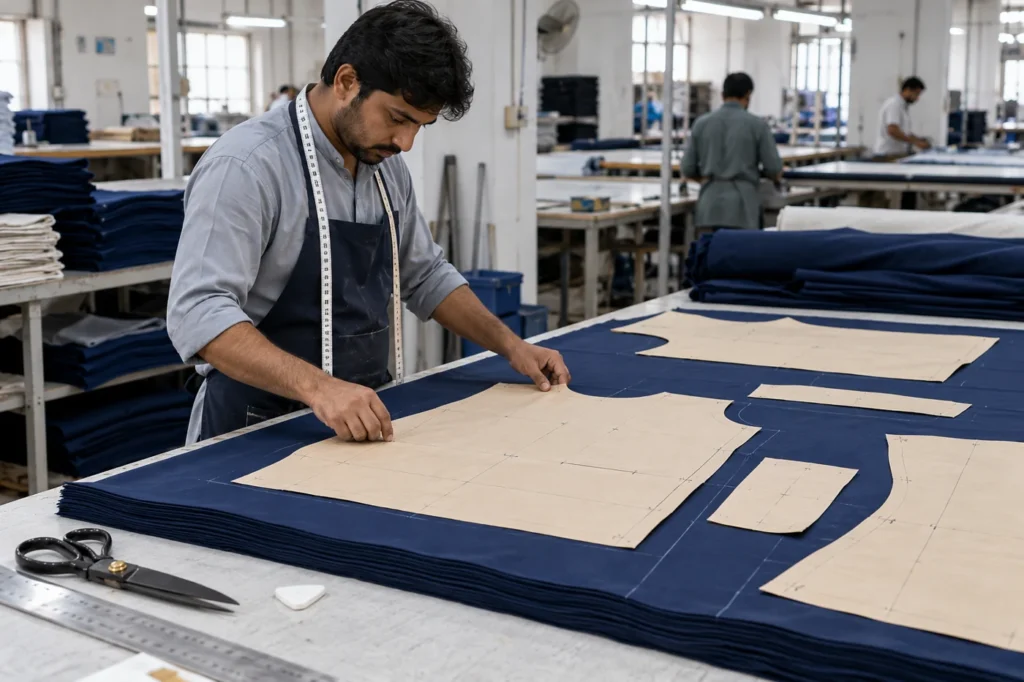
What a factory genuinely needs
Fabric. Composition, weight, stretch direction and any required finish. If you do not know, say so and ask for recommendations rather than leaving it blank.
Colour. A Pantone reference, or better, a physical garment to match. Colour names are not specifications.
Measurements and grading. A points-of-measure list with tolerances, and the grading rules between sizes. This is the section that most often decides whether your bulk matches your sample.
Construction. Stitch types, seam finishes, reinforcement points, pocket dimensions and placement. Pocket dimensions in particular should be specified against equipment people actually carry.
Trims. Labels, care labels, tags, drawcords, zips and elastics, with placement.
Packing. Bagging, folding, units per carton, carton marking and any barcode requirement.
What buyers usually leave out
Three things, consistently. Tolerances, because they feel like a technicality until a batch arrives half an inch off. The wash regime, because it feels unrelated to the garment. And packing, because it feels like something to sort out later, which is how a shipment arrives needing to be repacked before it can go into a warehouse.
If you do not have a tech pack
Send a sketch and a reference garment. A reference garment you already like is worth more than a mediocre tech pack, because it removes ambiguity about fit, hand feel and construction all at once.
A good factory will read what you send, tell you which fields are missing, and propose values rather than quietly guessing. If a supplier accepts an incomplete specification without comment, that is not accommodating. It means the gaps are going to be filled without you.
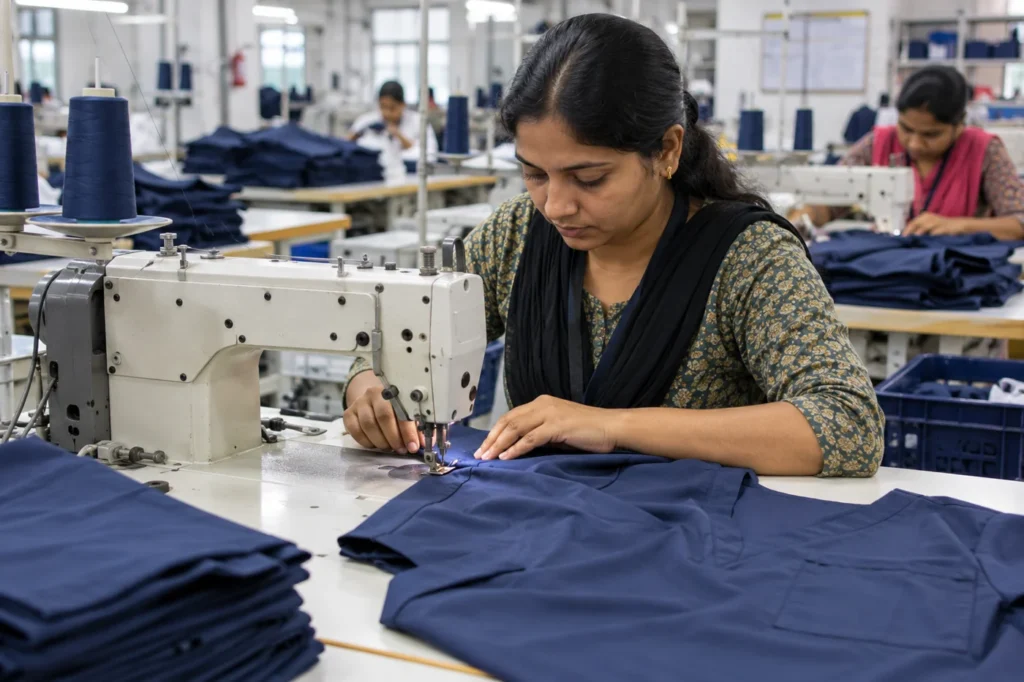
The tech pack checklist, and the risk in each gap
| Section | What to include | Risk if left blank |
|---|---|---|
| Fabric | Composition, weight, stretch, finish | Factory picks; feel and durability drift |
| Colour | Pantone or a physical garment | Shade guessed from a name |
| Measurements & grading | Points of measure with tolerances | Bulk does not match your sample |
| Construction | Stitch, seams, pocket size & placement | Pockets that do not fit your tools |
| Trims | Labels, tags, drawcords, elastic | Wrong or missing branding |
| Packing | Folding, units per carton, marking | Costly re-sorting on arrival |
You do not need it perfect to get started
The most common mistake is waiting until the tech pack feels complete. A good factory expects gaps and will recommend a fabric, a construction or a grading rule rather than guessing silently — provided you tell it what you do not know instead of leaving the box empty. Bring what you have; the sample-and-seal stage is where the rest gets pinned down.
The tech pack fields that prevent the most expensive mistakes
A tech pack is not a design document. It is a list of decisions, and every field you leave blank is a decision transferred to someone on the production floor who has never met your wearers. These are the fields where silence costs the most.
| Field | What happens if you leave it out |
|---|---|
| Fabric weight and composition | You get the mill’s house default, usually the cheapest cloth that matches the description |
| Graded size chart with tolerances | Sizes get scaled from one base block, so the extremes fit nobody well |
| Pocket count, position and depth | Pockets end up decorative: too shallow for a phone, too high to reach while seated |
| Stitch type and density per seam | Stress seams are sewn to the same spec as decorative ones and fail first |
| Colour reference and tolerance | The shade is matched to a name rather than a standard, and drifts at reorder |
| Branding placement and method | Logo position moves between runs, or a method is chosen that will not survive the wash |
| Laundering conditions | The garment is specified for a domestic wash and meets a commercial one |
| Packing and labelling | Cartons arrive unsorted, and a multi-site rollout becomes a manual sorting job |
Measurements beat adjectives, every time
The single highest-value upgrade to a first tech pack is replacing descriptive language with numbers. “Slim fit” means one thing to you and another to a pattern cutter. A chest measurement, a sleeve length, a front rise and an inseam, each with a tolerance, means exactly one thing to both of you.
If you have a garment you already like, send it. A physical reference sample is worth more than several pages of description, because it answers questions you did not know to ask. Mark on it what you want changed: this hem shorter, this pocket deeper, this neckline higher. That annotated garment is a better brief than most formal tech packs.
Frequently asked questions
What is a tech pack?
The written specification a factory produces against — fabric, colour, measurements, construction, trims and packing. It does not need to be beautiful, only unambiguous.
Do I need a tech pack to get a quote?
No. You can quote from styles, quantities and branding, then build the tech pack together at the sampling stage.
What if I don’t know my fabric?
Say so and ask for a recommendation. Describing the role and climate is enough for a factory to propose a suitable fabric and weight.
Where this fits, and what to read next
A tech pack is the start of the process rather than the whole of it. Our custom medical scrubs manufacturing overview covers what happens after you send one.
- Buying medical scrubs in bulk — Nine complaints from real reviews, and the spec lines that prevent them.
- Black scrubs for women — What they mean, who wears them, and how to choose a pair that stays black.
- Scrub fabric weight explained — What GSM actually changes, and why one figure across a whole range is an average.
- MOQ per style versus per colourway — The minimum most factories do not publish, and the one that decides your colour range.
- How to read a factory cost breakdown — What an itemised quote contains, FOB versus landed, and where duty belongs.
- Matching a mandated scrub colour — Lab dips, retained standards, and holding one shade across every reorder.
- Will these survive commercial laundry? — The test methods to name when garments go through industrial washing.
Starting your first production run?
Send what you already know. If the brief has gaps, we tell you which detail is missing rather than guessing and billing for it later.