Black Scrubs for Women: What They Mean, Who Wears Them & How to Choose
Black reads as authority and hides every stain — but cheap black scrubs fade to grey. What they mean, who wears them, and how to choose a pair that lasts.

Black reads as authority and hides every stain — but cheap black scrubs fade to grey. What they mean, who wears them, and how to choose a pair that lasts.


Fabric weight decides opacity, drape and how long a garment lasts. Here is what it actually changes, and why a supplier quoting one figure for every colour is quoting an average.
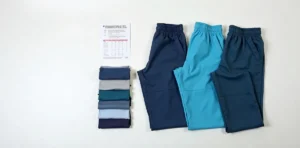
Almost every factory publishes a minimum per style. Far fewer publish the minimum per colourway, and that is the number that decides whether your test range is affordable.
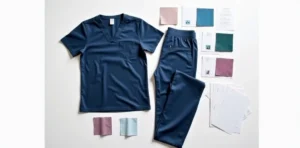
A lump-sum unit price tells you nothing about where your money is going or what a change to the specification would save. Here is what an itemised quote should contain.

Ceil blue, Caribbean blue and other mandated shades get dropped by retail scrub brands between seasons. If your facility mandates a colour, you need a factory rather than a catalogue.

Industrial laundering is the single biggest variable in how long a uniform programme lasts, and most buyers are never asked about it. Here is what it should change in your specification.